As we get closer to 2026, the chewing gum industry is really seeing some big shifts, thanks to changing consumer tastes and new, innovative products popping up all the time. I came across a recent report from Grand View Research, and it looks like the global market for chewing gum might hit around $33.4 billion by then — that's a pretty solid growth, clocking in at a CAGR of about 3.5%. It's clear there's a steady demand for gum, fueled by both classic flavors and healthier, more functional options.
Industry expert Dr. Lisa Carter from Mintel stresses that staying flexible and innovative is crucial here. She mentions, “The future of chewing gum depends on brands that can adapt and respond to health trends,” which makes total sense. More and more, people are looking for products that do more — like promote dental health or help with stress — which ties into that larger wellness movement in food and snacks.
Of course, it’s not all smooth sailing. Competition is really intense, and brands need to find ways to stand out. The rise of plant-based and sugar-free options is definitely shaking things up for the traditional players. To really connect with consumers these days, companies have got to think outside the box and understand the market’s ever-changing dynamics. It’s about not just keeping up but also trying to anticipate what’s next — because, let’s be honest, staying ahead is the only way to succeed in this game.

Emerging Flavors in the Chewing Gum Market for 2026
The chewing gum market is experiencing dynamic shifts in flavors. As we look toward 2026, emerging trends are gaining momentum. According to industry reports, the global chewing gum market was valued at approximately $24 billion in 2022. It is projected to grow at a CAGR of over 4% through 2026. This growth is driven by innovation in flavors that appeal to diverse consumer tastes.
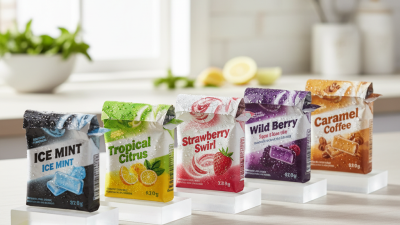
Unique flavor combinations are becoming essential. Ingredients like exotic fruits, herbal notes, and even savory flavors are entering the market. For instance, a report from Market Research Future indicates that unconventional flavors such as matcha and spicy chili are anticipated to attract millennials and Gen Z. These flavors not only provide sensory experiences but also position chewing gum as a niche "Chewing Gum Gift" for food enthusiasts.
However, challenges exist. As brands experiment with new tastes, consistency and acceptance are not guaranteed. Flavors that are well-received in one region may not resonate in another. Thus, brands need to conduct thorough consumer research to minimize risks. Balancing innovation with reliability will be crucial as we approach 2026 and the future of the chewing gum industry.
Health-Conscious Ingredients: A Shift in Chewing Gum Composition
The rise in health-conscious consumerism is reshaping the
Gum Candy industry.
In recent months, studies reveal that about 76% of consumers prefer chewing gum with natural ingredients.
People are more aware of what goes into their food, and gum is no exception. Traditional sugar-filled gums are facing a significant decline as alternatives become available.
Sugar substitutes are now a focus. Reports indicate that gum companies are integrating
stevia and xylitol into their products.
These ingredients provide sweetness without added sugar. In fact, the global sugar-free gum market is expected to reach $4 billion by 2025.
It highlights the shift towards healthier options for consumers.
Tips: When exploring gum candy options, always check the ingredient list. Look for products with fewer additives.
Be mindful of your choices. Less processed options can lead to better health outcomes. Each small change counts.
As consumers, our preferences influence industry trends and lead to healthier choices overall.
Sustainable Packaging Trends in the Chewing Gum Industry
The chewing gum industry is increasingly focusing on sustainable packaging. This trend reflects a growing awareness of environmental issues. Many brands now prioritize eco-friendly materials. Biodegradable wrappers and recyclable containers are gaining traction. These innovations resonate with consumers who care about the planet.
However, the transition to sustainable packaging is not without challenges. Some companies struggle to find affordable materials. Others face difficulties in changing manufacturing processes. This situation leads to mixed results in the market. Consumers demand more transparency regarding packaging sources and environmental impact.
The demand for Bubble Gum also pushes sustainability efforts. Young consumers are especially vocal about their preferences. They want a product that tastes good and comes in a responsible package. As brands adapt, they must balance taste and eco-concerns. The path forward requires continuous improvement and commitment to genuine sustainability.
The Influence of Social Media on Chewing Gum Preferences
Social media has become a powerful force in shaping consumer choices, including chewing gum preferences. Platforms like Instagram and TikTok influence trends rapidly. Users share their favorite brands, flavors, and even gum-related challenges. This creates a wave of interest in specific products, such as Pencil Gum. When someone posts about it, others rush to try it, influenced by captivating visuals and reviews.
Influencers play a key role in this dynamic. They highlight unique flavors or eco-friendly options. Such endorsements can shift consumer focus dramatically. However, trends can be fleeting. What is popular today may not hold the same appeal tomorrow. Brands need to adapt quickly to maintain relevance in this fast-paced environment.
Moreover, not every trend leads to lasting change. Some users may jump on the bandwagon only to lose interest later. This inconsistency can be frustrating for brands. They must invest in genuine engagement rather than just chasing viral moments. Understanding this ebb and flow is crucial to navigating the landscape of chewing gum preferences.
2026 Top Chewing Gum Trends Influenced by Social Media
Innovative Textures and Chewing Experiences in 2026
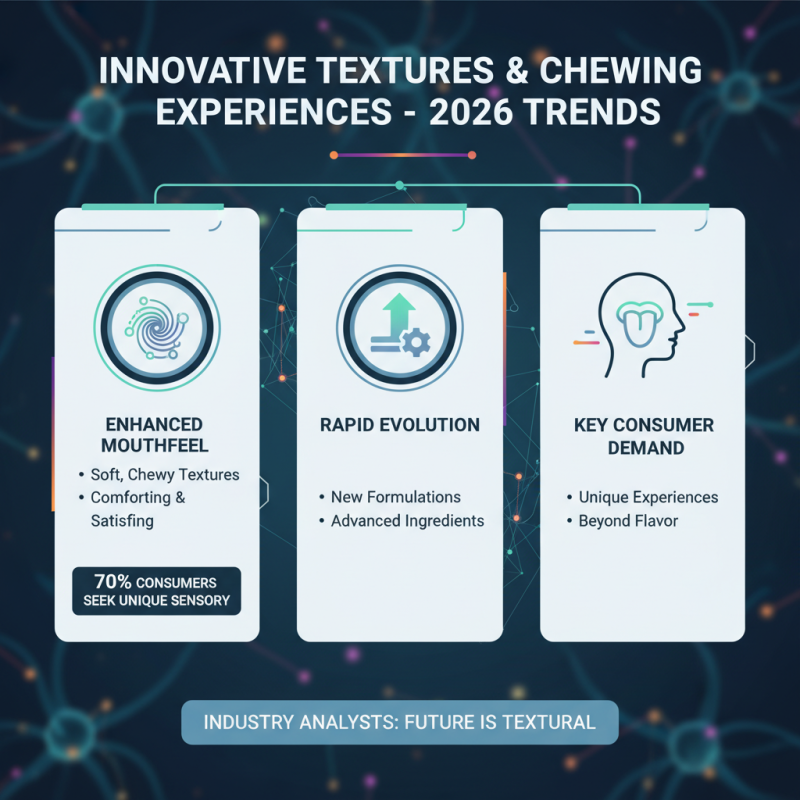
As we look toward 2026, the world of chewing gum is evolving rapidly. Innovative textures and unique chewing experiences are becoming key trends. Reports from industry analysts indicate that consumers favor gums with enhanced mouthfeel. These experiences can include soft, chewy textures that provide a comforting, satisfying sensation. Research shows that 70% of consumers seek gum that delivers a unique sensory experience.
Creating diverse flavors is equally crucial. Traditional mint and fruit flavors are being replaced by unexpected combinations, like savory or spicy notes. A recent market analysis revealed that 55% of consumers are open to trying unconventional flavors. Brands should experiment with these innovative approaches to capture the attention of adventurous eaters. However, incorporating unusual textures or flavors can be risky. Some might not resonate with mainstream preferences.
Tips: Focus on consumer feedback when launching new products. Market research can help identify which textures and flavors appeal most to your target demographic. Always stay informed about emerging trends. Consider how cultural shifts influence chewing preferences. Balancing novelty with familiarity is vital in this dynamic landscape. Make sure to adapt as consumer tastes evolve.
Trends in Sugar-Free and Natural Chewing Gum Options
In recent years, the demand for sugar-free and natural chewing gum has rapidly increased. According to industry reports, the sugar-free chewing gum market is expected to grow at a CAGR of 5.9% from 2022 to 2028. This trend reflects a significant shift in consumer preferences towards healthier choices. Many buyers are looking for natural ingredients and less artificial flavoring.
Market studies indicate that 70% of consumers are more inclined to purchase products labeled as "natural." This creates opportunities for producers focusing on plant-based sweeteners like stevia and xylitol. Yet, the challenge lies in balancing taste and health benefits. Some sugar-free options may still contain high levels of additives which can lead to gastrointestinal discomfort for some consumers.
Furthermore, although the ethical sourcing of ingredients is important, challenges remain in defining what “natural” truly means. Consumers express confusion over labeling, which can hinder purchasing decisions. So, there is a pressing need for clarity in product formulations. Confidently navigating these trends, while ensuring transparency, will be crucial for manufacturers aiming to satisfy health-conscious buyers.
Regional Variations in Chewing Gum Trends for Global Consumers
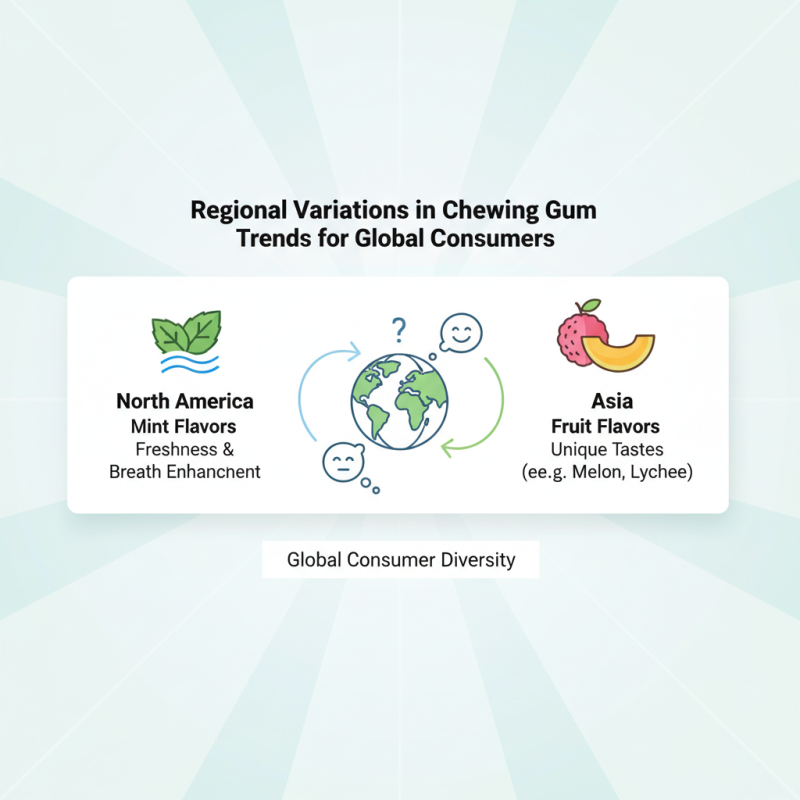
In the global chewing gum market, regional preferences shape trends significantly. For instance, North American consumers often favor mint-flavored gums. They appreciate the freshness and breath-enhancing qualities that these flavors offer. However, in Asia, fruit flavors dominate. Many consumers in countries like Japan and South Korea enjoy unique flavors such as melon and lychee. These peculiar preferences highlight the diversity of consumer tastes.
Cultural influences also play a crucial role in gum choices. In some Latin American countries, the tradition of chewing gum is tied to social interactions. Gums with explosive flavors or bright colors are often more popular in such regions. Chewing gum brands might need to cater to these social contexts to attract local buyers.
However, the challenge lies in balancing these regional trends with sustainability. As the desire for eco-friendly products grows, companies must adapt. This need for sustainable practices might conflict with traditional flavor profiles. Brands may need to reflect on how to meet diverse regional demands while maintaining environmental responsibility.
Exploring the Global Demand for Bar Shaped Bubble Gum: Trends and Insights from the Confectionery Market Analysis 2023
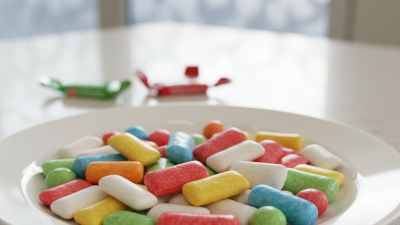
The global market for bubble gum is evolving, with bar-shaped varieties gaining significant traction, particularly among younger consumers. As analyzed in the 2023 confectionery market report, the demand for unique and innovative candy formats is on the rise, with bar-shaped bubble gum emerging as a standout product. The versatility of this gum, which can be molded into fun shapes like hot dogs, pencils, or crayons, captivates the youthful imagination and encourages sharing among peers, making it a popular choice during recess and leisure activities.
The diverse flavor options available further enhance its appeal, as manufacturers now offer a variety of taste experiences to cater to different preferences. The addition of juice or sour powder to each stick can elevate the flavor profile, providing a delightful surprise with every bite. According to market insights, products that combine exciting visuals with engaging flavors often see increased sales volumes, particularly in markets targeted at children and teenagers. As this segment grows, bar-shaped bubble gum is not only positioned to capitalize on this demand but also plays a role in fostering social interactions among students, contributing to an overall feeling of happiness and enjoyment during their leisure time.
The trend towards more colorful and creatively shaped confectionery, as highlighted by recent data, indicates that the confectionery industry is responding to consumer desires for novel experiences. This shift reflects a broader pattern in which playful and interactive food products can significantly enhance the enjoyment of traditional sweets, driving both interest and consumption in the sector.
FAQS
: Many consumers now prefer natural ingredients like stevia and xylitol. About 76% favor gums without added sugar.
Companies are moving towards sugar substitutes to meet health-conscious consumer demands.
Check ingredient lists for fewer additives and less processing. Small changes can lead to better health.
There is a growing focus on eco-friendly packaging, like biodegradable wrappers and recyclable materials.
Many struggle with affordable materials and changing manufacturing processes, which can hinder progress.
Innovative textures are key. About 70% of consumers prefer gums with different mouthfeels for enjoyment.
Yes, 55% of consumers are willing to try unique flavors beyond traditional options like mint or fruit.
Growing awareness about health and environmental impact is shaping choices and industry trends.
Focus on consumer feedback and market research to understand preferred textures and flavors.
New trends should consider mainstream preferences. Some innovative ideas may not appeal to all consumers.
Conclusion
The "2026 Top Chewing Gum Trends For Global Buyers" article explores various emerging trends shaping the future of the chewing gum industry. It highlights the rising popularity of innovative flavors, with unique and exotic options becoming increasingly prominent in consumer preferences. Additionally, the shift towards health-conscious ingredients is transforming gum compositions, catering to a more aware demographic focused on well-being.
Sustainability is also a key theme, with eco-friendly packaging gaining traction among consumers. The influence of social media is noteworthy, as it significantly impacts chewing gum preferences and trends. Furthermore, the article discusses advancements in texture and the overall chewing experience, alongside the growing market for sugar-free and natural gum options. Lastly, the article examines regional variances, showcasing how different cultures embrace distinct chewing gum trends.